Karbo Labs · 2026 · Field trials
Building a waterproof GPS tracker with 6 months battery life
I designed and deployed a cellular GPS tracking system for a kayak rental operator in Norway. Four prototypes are in field testing, with custom firmware, remote updates, and a live fleet dashboard.
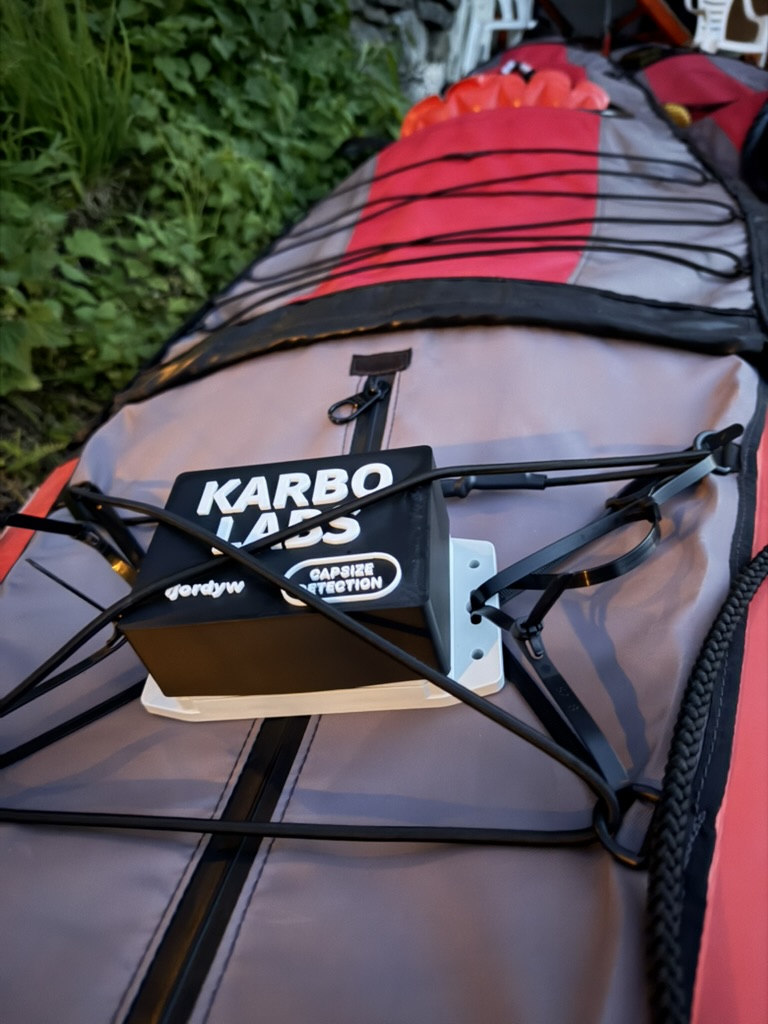
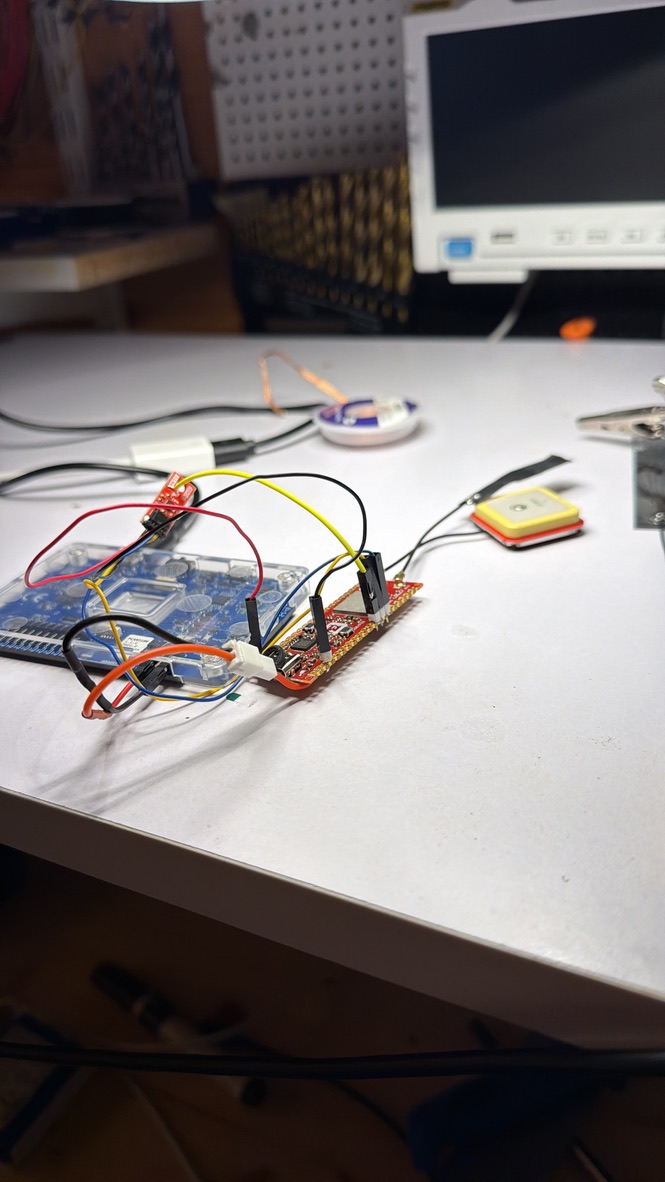
My work spans hardware integration and enclosure design, Zephyr/C firmware on the nRF9151, cellular telemetry, OTA releases, and the backend and map interface. The devices use GNSS for position and an accelerometer for motion-triggered wakeup and orientation reporting.
Power consumption is the main constraint: the target is a six-month rental season on a 10 Ah battery. On the Feather variant, I measured 4.4 µA in System OFF and 5.5 µA between reports. GNSS acquisition and cellular transmission dominate the remaining budget. Full-season endurance is pending field validation.
I built a robotic motion jig and combined it with PPK2 measurements and remote firmware updates to automate physical testing. This gave AI-assisted firmware iterations a measurable feedback loop on the device: change the code, exercise the hardware, measure current draw.
Field telemetry exposed false inactivity decisions during smooth kayak movement and LTE outages after repeated modem reconnections. I adjusted motion thresholds and changed the modem lifecycle to retain registration with power-saving mode, then deployed the firmware remotely.
The current hardware uses development boards in waterproof enclosures with 3D-printed shells. Field validation, charging access, and mounting are the next steps; capsize detection remains experimental.